
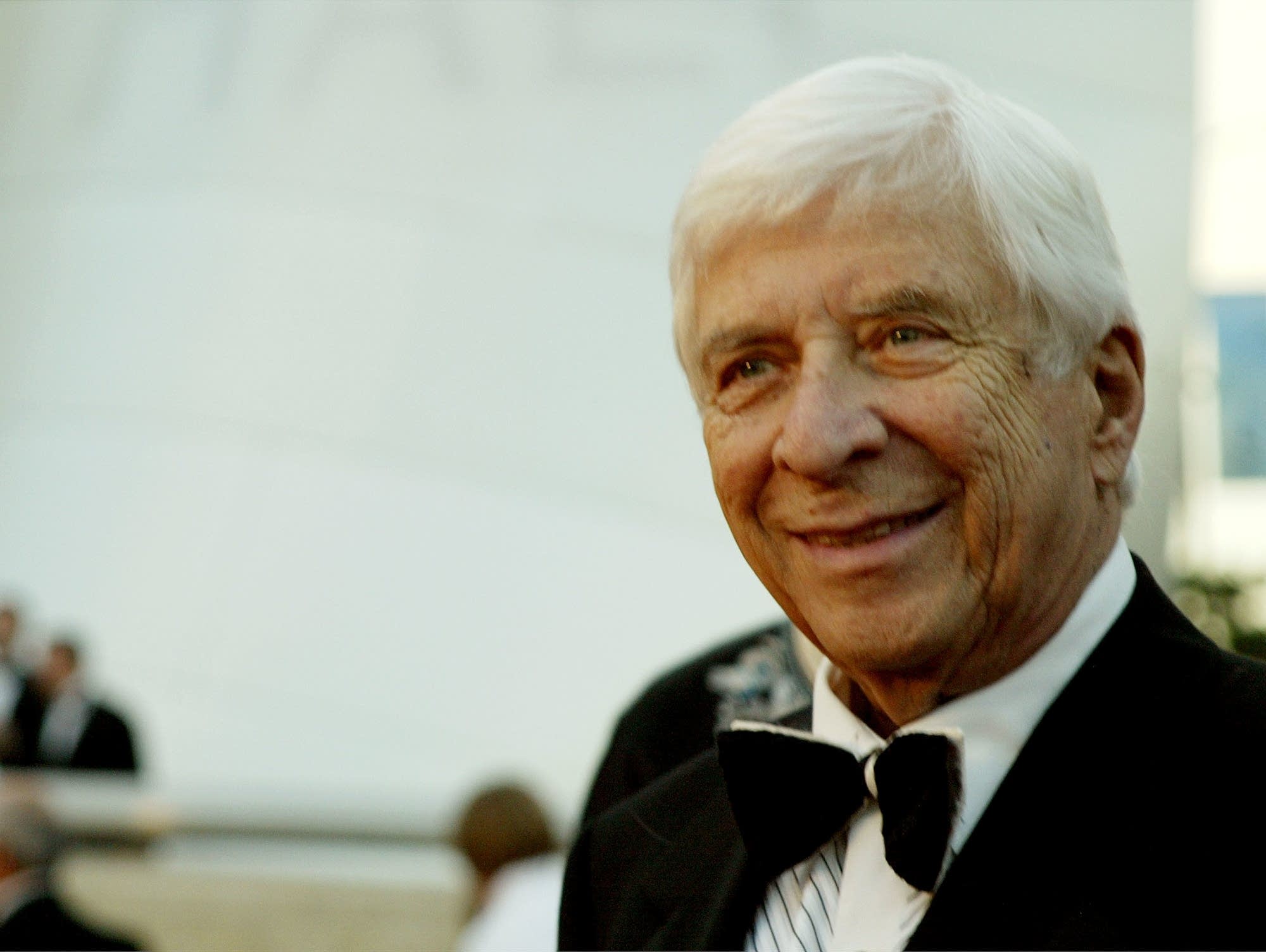
Few composers in the history of film music are as prolific as Elmer Bernstein. Nearly every film genre has benefited from a Bernstein score. From his early days experimenting with jazz to Westerns and epic dramas, from comedies to intimate character studies, Bernstein’s music enriches and elevates every film it accompanies.
As with all the composers featured in the “9 on the 9th” series, narrowing down the list to nine was difficult. Just look at some of the scores that had to be left out-THE GREAT ESCAPE, GHOSTBUSTERS, SUMMER AND SMOKE, THE AGE OF INNOCENCE, and so many more.
As film score fans, we are blessed that so much of Bernstein’s output has been recorded, with more and more scores coming to light every year. With over 200 film and television scores, there are is much more left to explore. Until then, let’s be thankful for the Bernstein bounty at hand.


9. THE TEN COMMANDMENTS (1956)
Bernstein was originally hired to score just the dance sequences for Cecil B. DeMille’s Biblical epic. But when Victor Young became too sick to work on the score (he would die shortly thereafter), DeMille hired Bernstein to compose the whole thing. I almost didn’t put this score on the list because I think Bernstein was uncomfortably pegged into Young’s slot. It’s almost as if Bernstein is trying too hard to write an epic score. But when it works, it works beautifully. Plus, the music is such a part of my psyche from watching the film on TV every Easter growing up that I had to include it.
8. FRANKIE STARLIGHT (1995)
I had never heard of this film until a year ago when a friend shared this score as one of his Bernstein favorites. Since then it has become one of mine too. A film about dwarfism was never going to become a box office hit. But the story must have hit a chord with Bernstein and he composes a trademark lovely main theme that seems to yearn ever higher.
7. THE GOOD SON (1993)
Nobody wanted to see Macauley Culkin exhibit psychotic behavior in anything other than in the HOME ALONE films. And Elijah Wood was still years away from his LORD OF THE RINGS fame. But Bernstein saw something in what is apparently a disturbing (and not particularly good) film by all reports, and once again channeled a child-like innocence to compose a truly lovely score.


6. THE MAN WITH THE GOLDEN ARM (1955)
Otto Preminger’s adaptation of Nelson Algren’s National Book Award-winning novel is mighty unpleasant. Frank Sinatra stars as a heroine addict drummer in love with Kim Novak and guilted into trying to support wheelchair-bound Eleanor Parker, while trying to fight the next “fix”. The film is more melodramatic than shocking today. Much like Alex North did in A STREETCAR NAMED DESIRE, Bernstein combines jazz into a dramatic framework for a score that is as raw, emotional, and powerful as ever.
5 .THOROUGHLY MODERN MILLIE (1967)
Goofy, ridiculous fun, that’s THOROUGHLY MODERN MILLIE. This musical spoof of the Jazz Age incorporates everything from silent movie piano and title cards to a pastiche of every musical genre of the period. It’s an eclectic mix of silly and dramatic music that is always a delight and coalesces into a unified whole thanks to Bernstein’s genius. If you want to see what I mean, click on the link above to watch Bernstein’s consummate craft at work. That this Oscar-winning score is still not available on CD irritates the hell out of me.

4. THE MAGNIFICENT SEVEN (1960)
Bernstein said that rhythm drove the score for this classic Western. And so it does. From the opening five syncopated notes, Bernstein’s muscular score pounds through 67 glorious minutes of Western musical excitement. With a classic main theme that will always mean Marlboro cigarettes more than film music to some of us, this is one of the greatest scores in the history of film, period.


3. FAR FROM HEAVEN (2002)
Bernstein once again revisits small-town life, this time in Connecticut. Julianne Moore gives a pitch-perfect performance as a 1950’s housewife who finds out her husband (Dennis Quaid) is gay and seeks solace in the arms of a black man (Dennis Haysbert). Todd Haynes’ film was a homage to the old Douglas Sirk melodramas, but Bernstein always denied he was returning to the kinds of scores he wrote during that time period. Instead, Bernstein wrote the kind of score that he did best-delicate, lovely, and intensely personal. As much as I love Elliot Goldenthal’s FRIDA score, Bernstein should have won the Oscar for this one.
2. HAWAII (1966)
A sprawling adaptation of the first half of James Michener’s epic novel succeeds primarily thanks to the performances of Julie Andrews and Jocelyn LaGarde, the gorgeous location scenery, and Bernstein’s sweeping score. Mixing Americana harmonies for the Quaker settlers and arguably his most grand score, Bernstein serves up a tropical musical dish that adds to the grandeur of the film. I never get tired of listening to this one.
1. TO KILL A MOCKINGBIRD (1962)
Classic book. Classic film. Classic score. With his unique blend of Copland-esque Americana and cues that probe to the heart of this racially charged tale, Bernstein captures the wonder of youth and adult lessons in small town prejudice through the eyes of a child. As close to a perfect score as you’ll ever hope to find, I dare say this belongs on anyone’s Top 9 list of all-time great scores.